The Soda Fountain That Made Charles Merrill
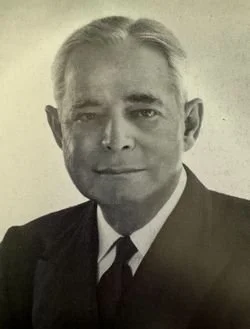
Green Cove Springs, Florida.
A winter resort town where visitors from New York and Boston filled the streets in the cold months and local families came through the same front door for prescriptions, soap, tobacco, or a seat at the soda fountain.
Behind that door was Dr. Merrill, who treated the sick in the exam room and owned the pharmacy out front. And most Saturdays — and part of most Sundays — so was his son.
The townspeople called the boy "Little Doc."
He was about twelve. And he was always looking for a way to make things a little better.. or at least a little more profitable.
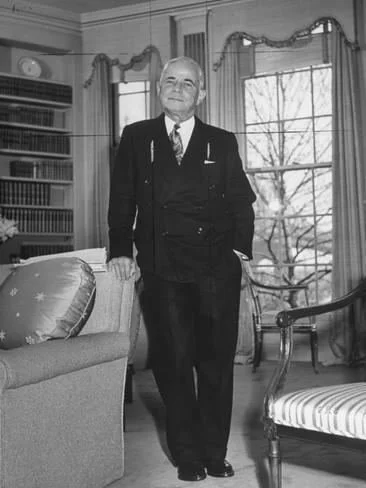
One day, he had an idea.
The pharmacy kept grain alcohol on hand for legitimate medicinal purposes. Little Doc started adding a quiet splash of it to certain customers' drinks at the soda fountain. Not everyone — only the ones he figured would appreciate it. And he charged them more for the privilege.
Word spread.
For a few weeks, the soda fountain did the best business it had ever done. People came in asking for Charlie's drinks by name. The cash drawer filled faster than anyone could remember.
Charlie was thrilled.
His father was not.
When Dr. Merrill found out what his twelve-year-old had been running, he shut the whole thing down that same day. No congratulations for the numbers. No admiration for the ingenuity. It was over by closing.
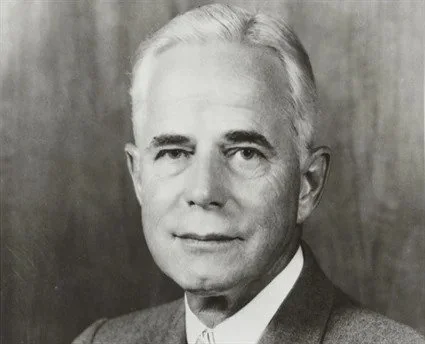
Imagine the boy's confusion. Sales were up. Customers were happy. They were making more money than they ever had.
His father could have praised the creativity and looked the other way on the method. Instead, he taught his son something that would outlast the pharmacy, the town, and the century:
The customer's trust is worth more than today's profit.
Years later, Wall Street ran on almost the opposite principle.
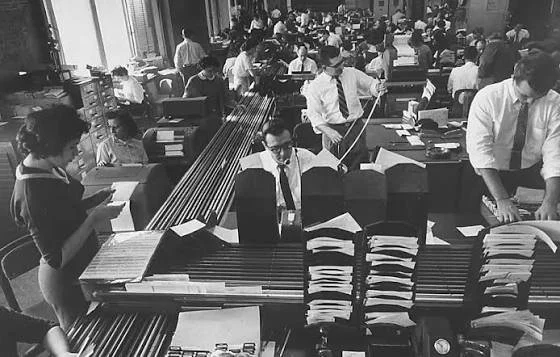
Brokerages made fortunes selling speculative investments they'd never have bought themselves.
Commissions mattered more than the people paying them.
Ordinary Americans were often treated as marks to be worked — not partners to be served.
Charles Merrill refused to build that kind of firm.
He insisted his brokers explain investments in plain language — no jargon designed to make people feel small. He published research for everyday investors, not just insiders. He expanded office hours so people who worked all day could still come in after their shift. And he bet his whole business on a slow idea: earn trust consistently and the profits will follow.
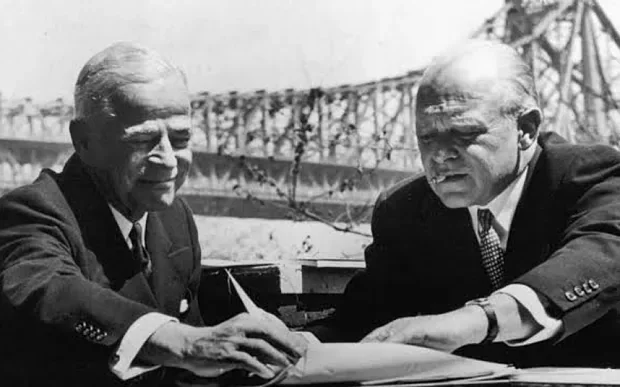
That philosophy became the foundation of Merrill Lynch's effort to bring investing to middle-class America — to open a door that, for most families, had always been locked.
Merrill wasn't a simple man, and this isn't a simple story. Influence rarely is. The same restless drive that spiked those sodas at twelve is the drive that built an empire decades later. What we're drawn to here isn't a verdict on him — it's the question a life like this leaves behind.
Because somewhere between a shut-down soda fountain and a reimagined Wall Street is a lesson most of us are still learning:
What we build lasts longest when people can trust it.
What This Is All About
Charles Merrill is one of twenty subjects in Influencers Over Time — Part 3: “builders + titans”
This five-part exhibition is inspired by TIME Magazine's 100 most influential people of the 20th century — the people whose ideas, ambition, and choices shaped the world we live in today. Each one reimagined by a local Utah artist.
We're less interested in who was right or wrong than in a bigger question: what does it mean to change the course of history — and how is each of us shaping the future through the influence we choose to have?
🗓️ October 23–25 · 📍 The Studio, 4750 W 800 N, West Point, Utah · 🎟️ Admission is free
