
The Man Who Rehearsed
He rehearsed conversations before he had them.
Not speeches. Not presentations. Conversations.
The ordinary kind… the ones other people walk into without thinking.
He would run them in his head first, working out what he'd say and how he'd say it, because he had a stutter and he was afraid of the moment it would catch him in front of someone who mattered.
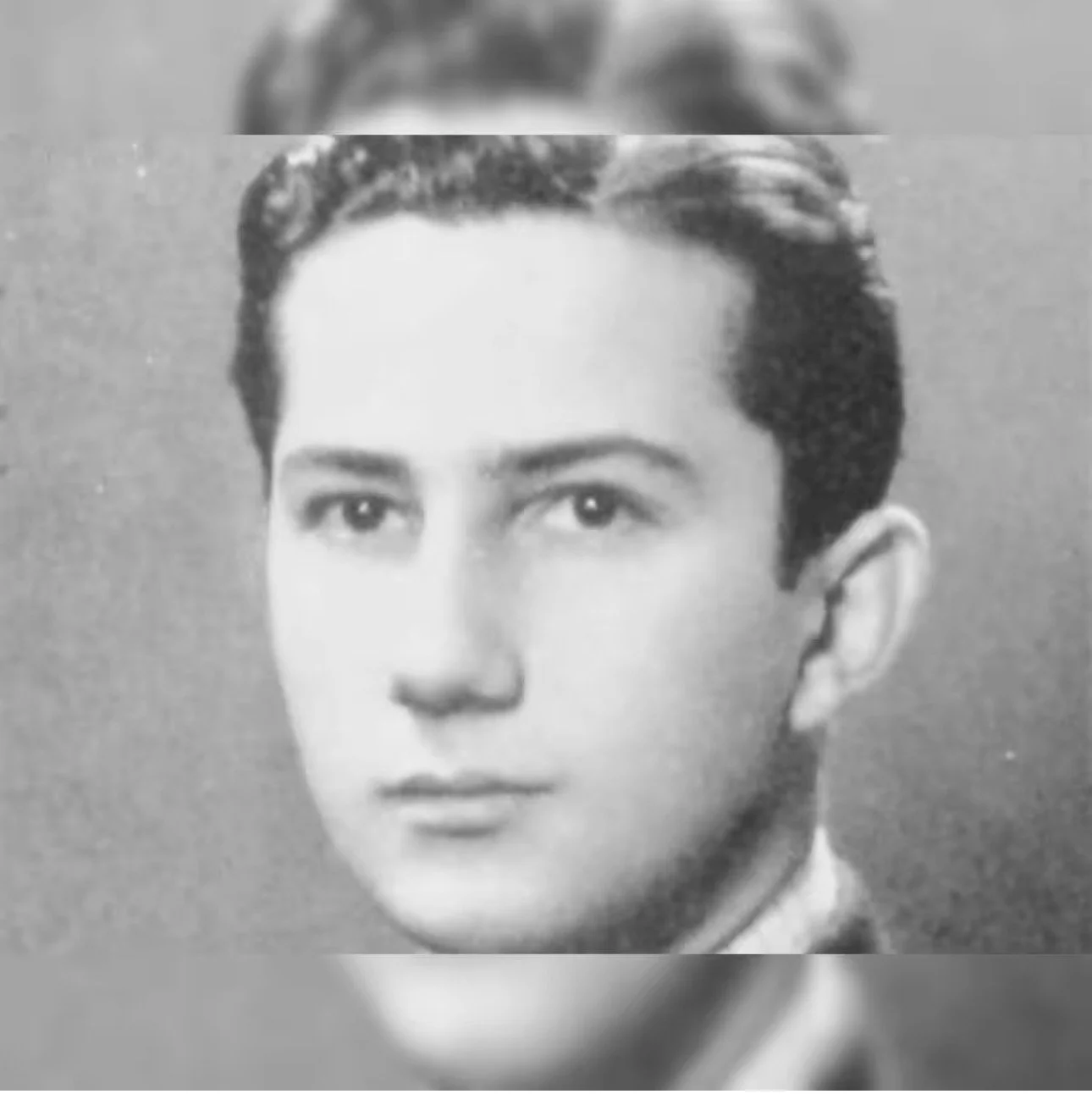
He was not a shy child in the way that resolves itself. He was a boy who cried in school. Who did badly at it. Who got sent to a different school, and then another one, and then finally scraped into college.
And all of it happened in the shadow of a man everyone in the room already admired.
His father was one of the most successful businessmen in America. A giant of a personality. The kind of man who built a company and then built a culture around it — songbooks, slogans, dark suits, an entire way of being that his employees adopted like a faith.
The son grew up inside that. Being introduced as the son. Being watched for signs of the father.
He wanted his father's approval more than almost anything. He also believed, quietly and completely, that he was never going to earn it. He assumed he'd end up a failure. He said so later, plainly, without dressing it up.
He spent his twenties without much direction.
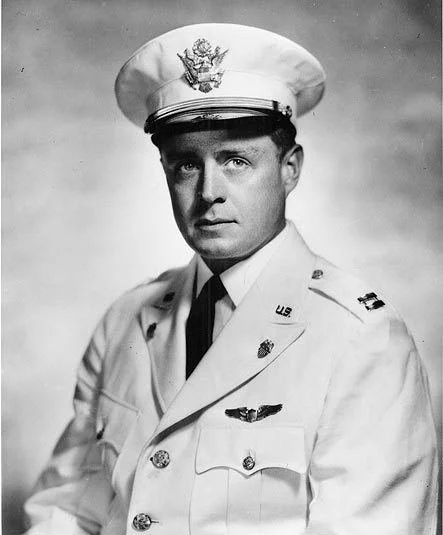
Then the war came.
He learned to fly.
And something happened up there that hadn't happened anywhere else. In a cockpit, nobody cared whose son he was. There was a task, and either you could do it or you couldn't, and he could. He flew across continents. He was good at it. People treated him with a respect he had never been handed and had never believed he deserved.
He came home changed.
Not cured — the doubt never really left — but changed. He had proof of something now. Evidence that he was capable of a thing on his own terms.
He'd been seriously considering becoming an airline pilot. Instead he went back to his father's company.
The company was IBM. At the time, that meant punch cards.
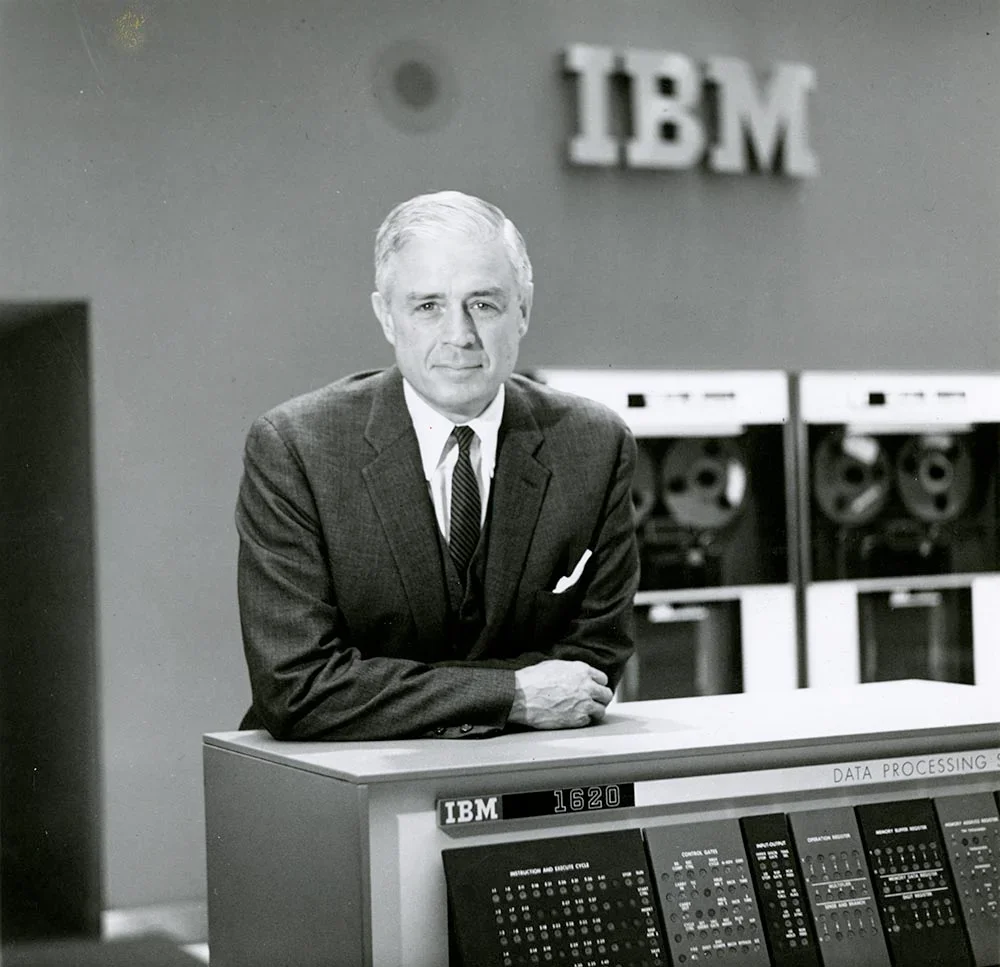
Tabulating machines. Rows of them, in offices and government buildings, sorting cards with holes punched in them. It was a genuinely great business. It had made the family rich and the company dominant and there was no obvious reason on earth to stop.
He looked at it and saw something ending.
Computers were coming. Not as a curiosity — as the whole thing. And he understood something most people running successful companies never quite manage to understand in time: the product that got you here is not the product that keeps you here.
Convincing his father took years. The two of them fought. Loudly, and often, in front of other people.
But he was right.
In 1964 he made the call that defined him.
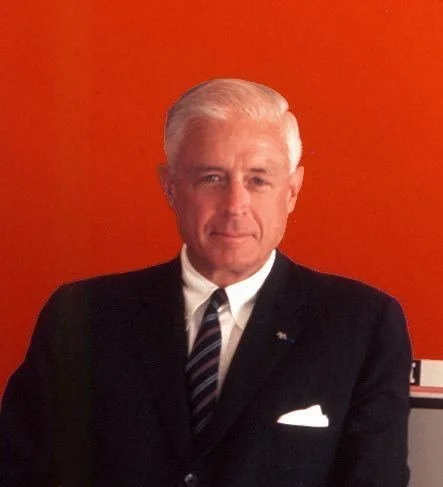
IBM would build an entire family of computers — the System/360 — machines that could talk to each other and grow with a customer instead of forcing them to throw everything out and start over. It meant discontinuing products that were still selling well. It meant building new factories, hiring tens of thousands of people, and spending more money than the company was worth.
The figure that circulated at the time was five billion dollars. Fortune called it the most expensive privately financed commercial project ever attempted. There were people inside IBM who thought it would destroy the company.
It nearly did. The development was chaos. Deadlines collapsed. Costs ran past every projection.
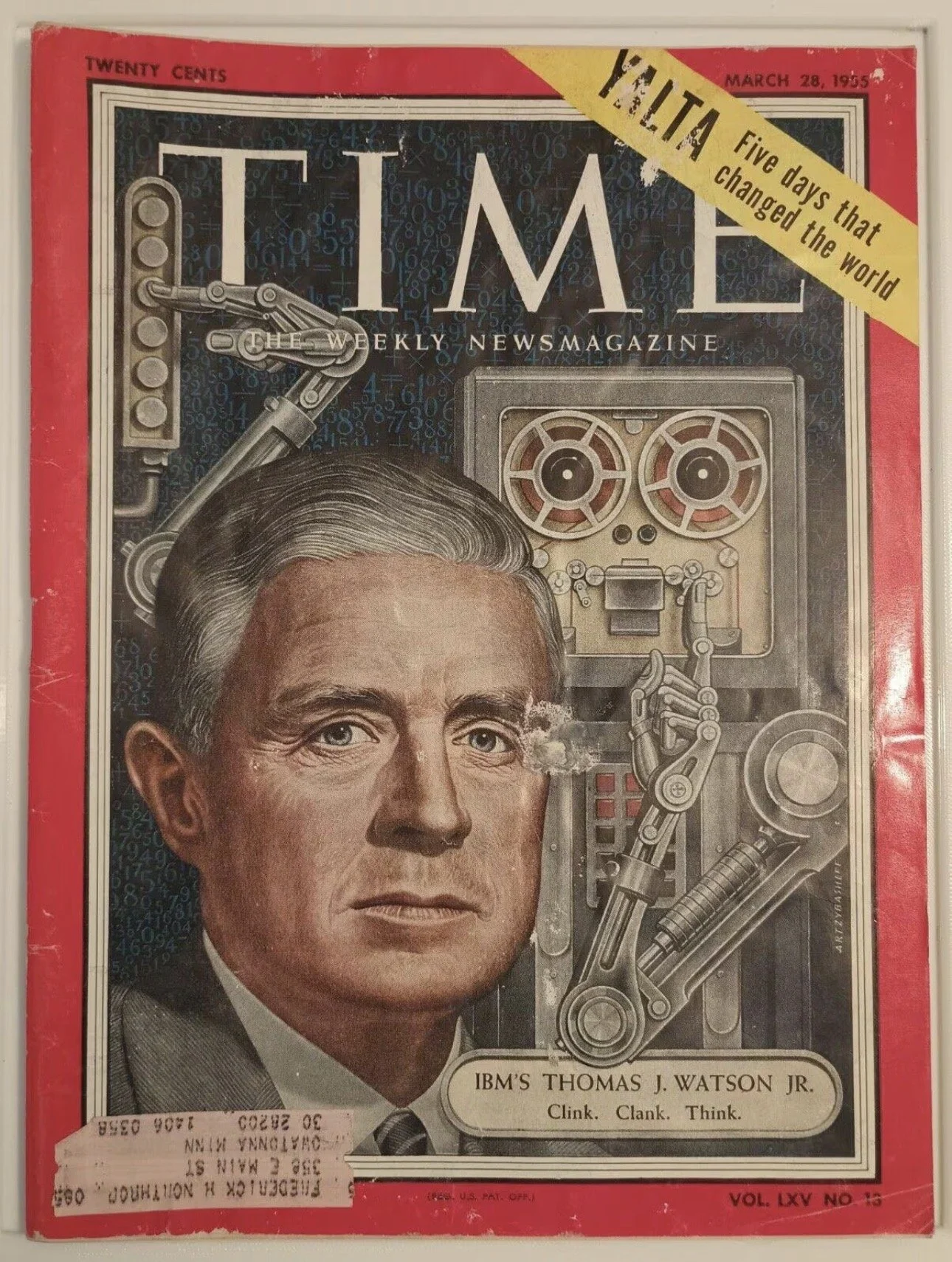
And then it shipped, and it worked, and it became the machine the modern computing industry organized itself around. Some of the ideas in it are still running underneath things you used this week.
Here's the part worth sitting with.
The man who made that decision — the biggest bet in the history of American business, made against the advice of people he trusted, on a product that did not yet exist — was the same man who rehearsed conversations in his head so he wouldn't stumble over his words.
He didn't become confident and then act.
He acted. For decades. While still not entirely believing he was the right person for the job.
Thomas J. Watson Jr.
He led IBM through the years that made it, later served as U.S. Ambassador to the Soviet Union, and spent his life being described as a great leader by nearly everyone except himself.
What This Is Part Of
Thomas Watson Jr. is one of twenty subjects in "Builders + Titans," the third show in the Influencers Over Time series — local Utah artists creating original work about the people TIME named among the 100 most influential of the 20th century.
We’re less interested in who was right or wrong than in what it means to change the course of history.. and how each of us is shaping the future through the influence we choose to have. See more at our show in:
📍 The Studio in West Point, Utah
🗓️ October 23–25 · Admission is free!
