Late Nights With… GUEST #6
The host leans forward.
"So — you've been called a bad influence for thirty-five years. How does that feel?"

In 1990, the President of the United States stood in front of a crowd and called him the worst role model in America.
He was ten years old.
He didn't have a response prepared. He never does. That's kind of the whole point.
Bart Simpson didn't arrive quietly.
He showed up in 1989 as part of a scrappy animated show on a brand new network that nobody was sure would survive its first season. The animation was rough. The family was messy. The kid at the center of it was mouthy, impulsive, chronically underachieving, and completely unbothered by any of it.
Parents hated him immediately.
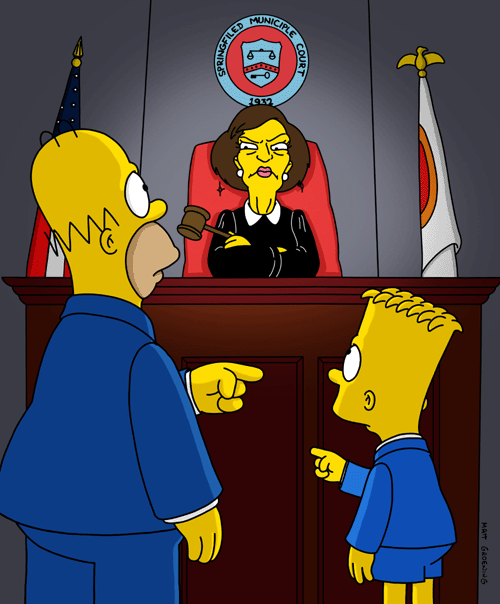
Schools across the country banned T-shirts with his face on them. Principals sent home letters. Moral guardians went on television to explain, in great detail, what was wrong with him. A sitting president — George H.W. Bush, in a speech to the National Religious Broadcasters — said America needed to be "more like the Waltons and less like the Simpsons."
Bart's response, delivered on air the following week: "Hey, we're just like the Waltons. We're praying for the end of the Depression too."
Here's the thing about a character that gets that kind of reaction:
It means he hit something real.
Bart Simpson wasn't a fantasy. He wasn't an aspirational figure or a cautionary tale or a lesson wrapped in yellow skin. He was a mirror. A kid who talked back because adults were sometimes wrong. Who failed at school because school sometimes failed him first. Who got into trouble the way kids actually get into trouble — not because he was evil, but because he was curious and bored and unsupervised and nine.
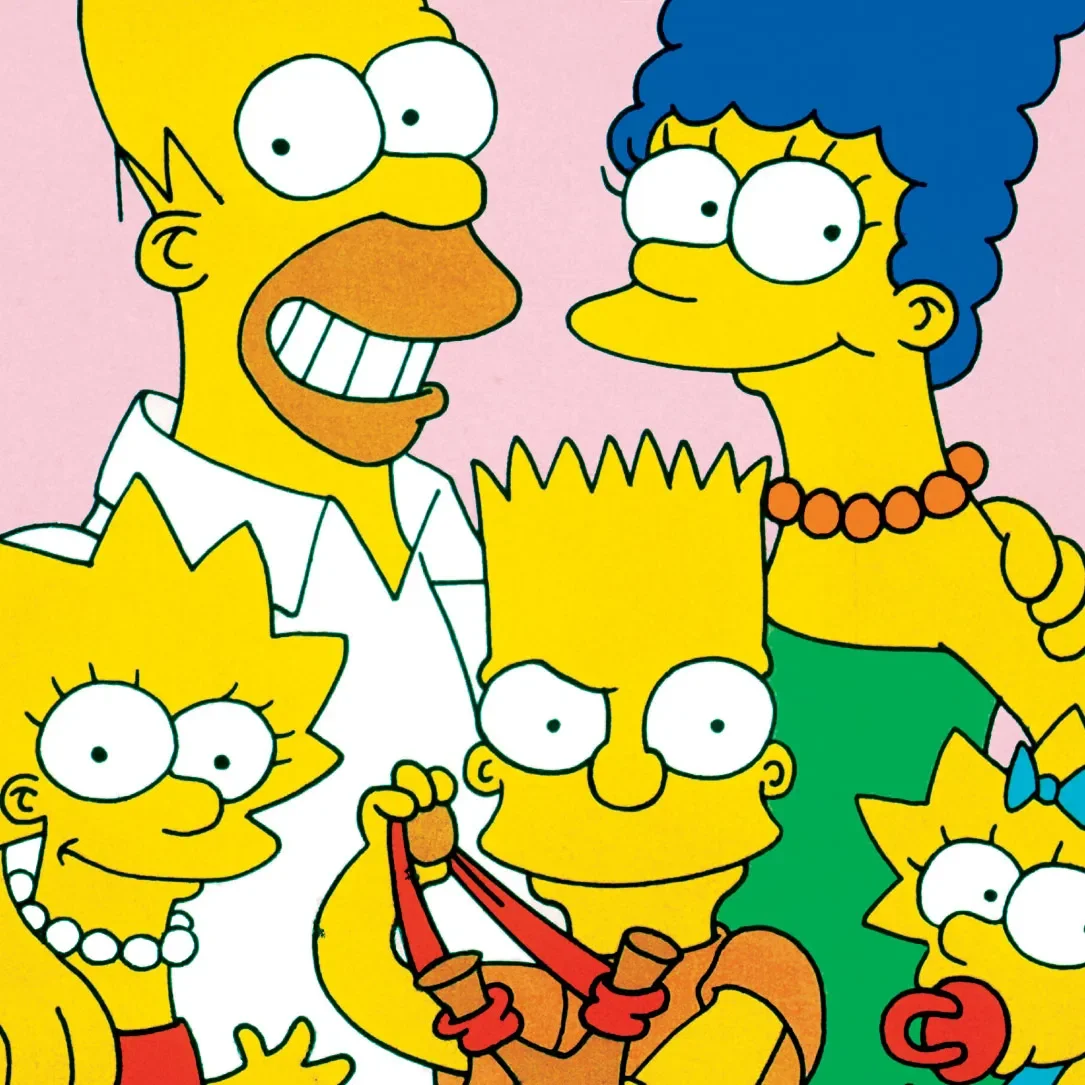
The panic around him said more about the people panicking than it did about the show.
What The Simpsons understood — what Bart embodied better than almost any character before him — was that American family life was already complicated. Already messy. Already full of people who loved each other imperfectly and said the wrong thing and watched too much TV and still somehow kept showing up for each other.
Nobody wanted to see that reflected back at them quite so clearly.
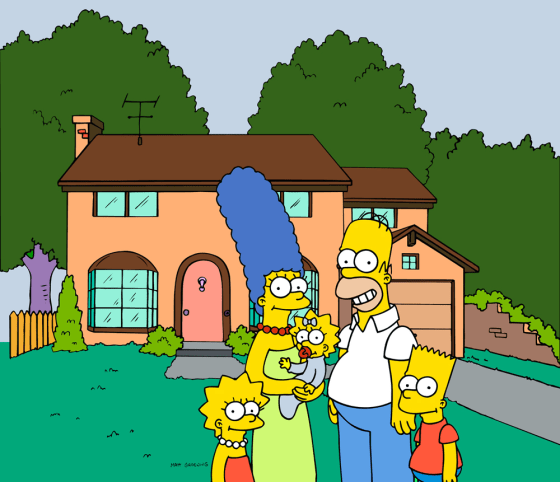
The show didn't stay controversial forever. It became furniture — something so woven into the fabric of popular culture that it stopped registering as unusual. Thirty-five seasons. Over 750 episodes. The longest-running American animated series and the longest-running American primetime scripted television series, full stop.
But the cultural fingerprints go deeper than the numbers.
The Simpsons created a template for animated comedy that every show after it — Futurama, Family Guy, South Park, Bob's Burgers, Archer — built on or argued with. It proved that animation wasn't just for kids. That satire could live in a cartoon. That you could be genuinely funny and genuinely critical of American life at the same time, every week, for decades.
Bart was the door that opened all of that.
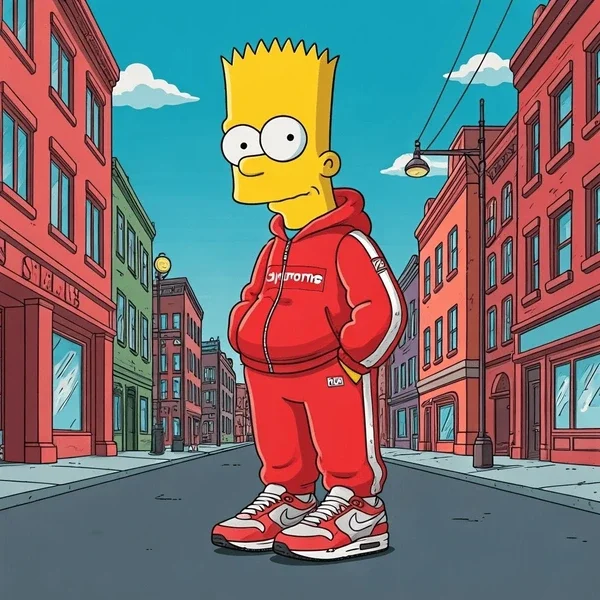
He was the reason a generation of kids grew up understanding — even if they couldn't have articulated it at the time — that the adults in charge weren't always right. That institutions could be absurd. That you were allowed to notice.
That's not nothing. That's actually quite a lot.
The host glances toward the stage.
The lights shift.
The name gets announced.
Bart Simpson.
The kind of guest who makes you wonder if the people who were most upset about him were the ones who understood him best.
🎟 What This Is Part Of
Late Nights With… is one piece of a larger project: Influencers Over Time: Artists + Entertainers.
15 local Utah artists. Portraits inspired by TIME Magazine's 100 most influential people of the 20th century. Storytelling, sound, and creative interpretation — all in one space.
📅 May 1–3 📍 West Point, Utah 🎟 Free — reserve your time slot
