
The Train Ride That Made Walt Disney
Everybody knows the name. Almost nobody knows the four days that made it mean anything.
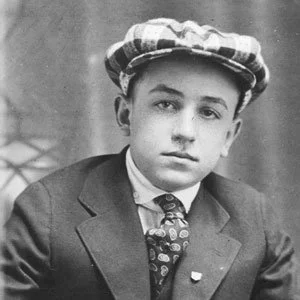
In the winter of 1928, a 26-year-old animator took the train from Los Angeles to New York with a hit on his hands. His character — Oswald the Lucky Rabbit — was in theaters and catching on, and he'd come to negotiate a better deal with his distributor, sure he'd earned it.
He hadn't counted on the man across the table.
His distributor had quietly done two things. He'd signed away most of Disney's own animators, hiring them out from under him. And he'd made sure the rights to Oswald belonged not to the man who drew him, but to the studio that released him. The offer wasn't a raise. It was an ultimatum: take a pay cut and keep working, or walk away with nothing.
Walt Disney walked away with nothing.
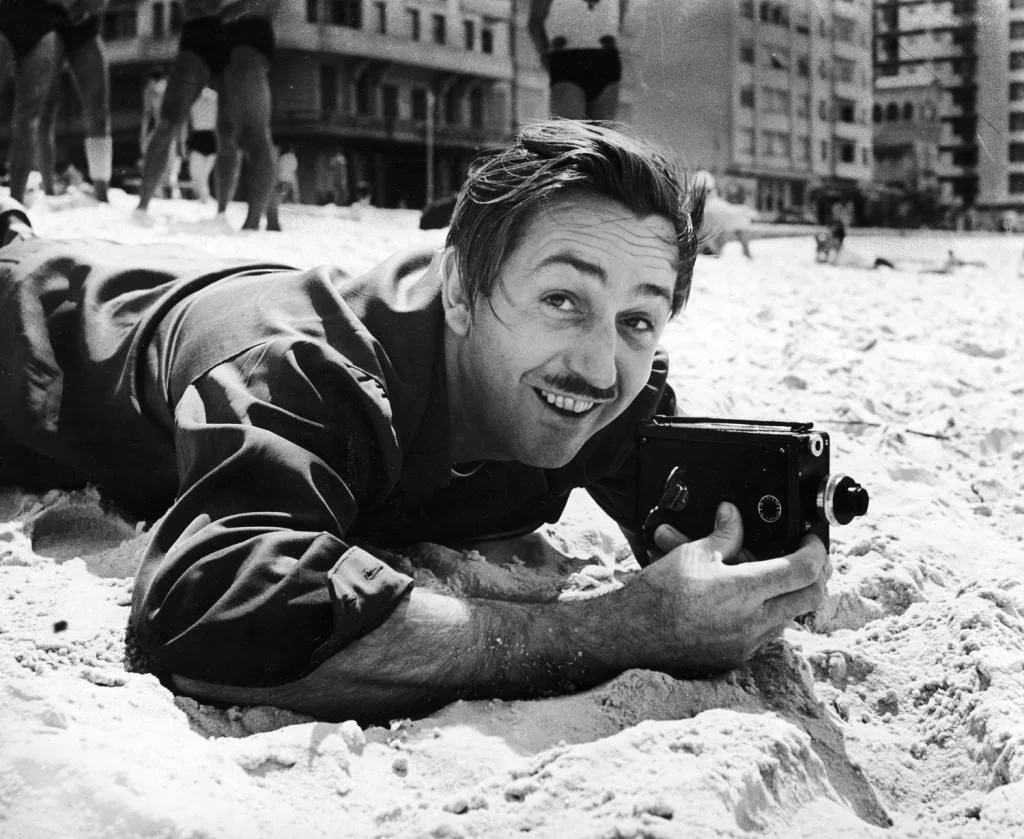
Now picture the ride home. Four days across the entire country, on a train, with no character, no team, and no plan — just a lot of time to sit with how it happened. It would have been the easiest thing in the world to quit. Plenty of people would have.
Instead, somewhere in the middle of that trip, he started sketching a mouse.
The story goes that by the time the train reached California he had the whole thing — a small, plucky character he wanted to name Mortimer, until his wife Lillian gently talked him into "Mickey." (The design owes as much to his loyal collaborator Ub Iwerks as to Walt himself — the best ideas usually do.) But the part that matters most wasn't the drawing. It was the decision underneath it: whatever he made next, he would own it. Completely. No one was ever going to take his work out from under him again.
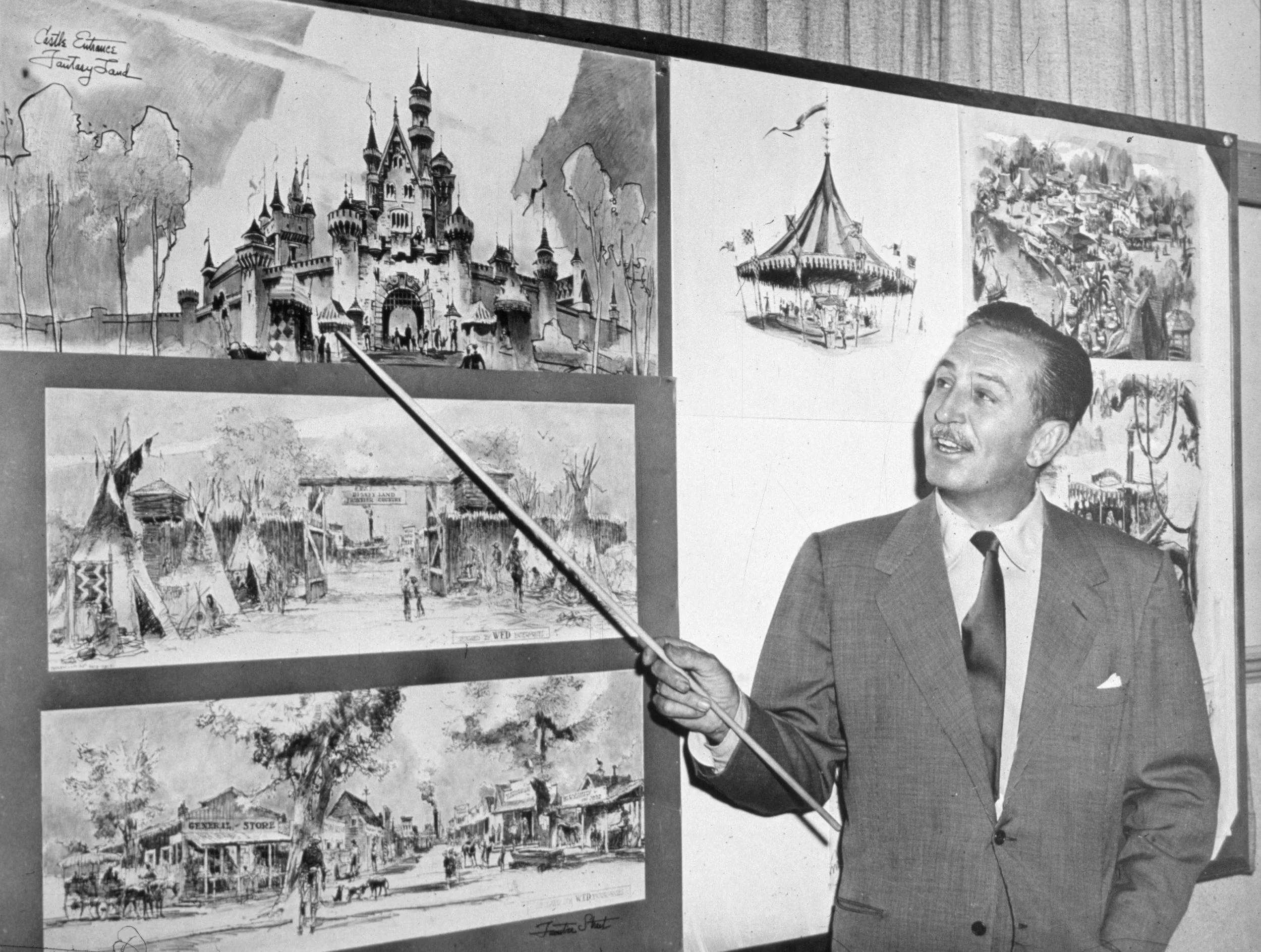
That one resolution is the hinge the entire Disney empire turns on.
Within the year, Mickey Mouse was starring in Steamboat Willie — one of the first cartoons with synchronized sound — and a broke animator who'd lost everything was suddenly the most exciting name in Hollywood. The studio, the parks, the films, the century of characters that followed: all of it grows out of the worst week of his career and the choice he made on the way home from it.
There's a coda most people never hear. In 2006 — nearly eighty years later — the Walt Disney Company quietly got Oswald back, trading a sportscaster to NBC to bring the lost rabbit home. The character Walt couldn't hold onto at 26 finally belonged to the house he built. Influence, it turns out, has a long memory.

Here's why we tell this one.
It's easy to look at a name like Disney and assume the influence was always inevitable — that some people are simply destined for the cover. But the real story is smaller, and far more human than that. A young man got knocked flat, sat with it for four days, and decided what kind of influence he was going to have next. The empire is the footnote. The train ride is the story.
That's the whole idea behind Influencers Over Time. We're less interested in who ended up famous than in the ordinary, decisive moments where a life — and sometimes a century — quietly changed direction. Twenty of those people, painted by eighteen local artists right here in West Point, Utah.
Walt Disney is one of them. Jason Workman is the artist painting him.
Come see him — and the other nineteen — in person at our next show:
Influencers Over Time: builders + titans
October 23–25 | West Point, Utah | FREE
