The host leans forward.
"So — how do four people from the same city become the most famous thing on earth?"
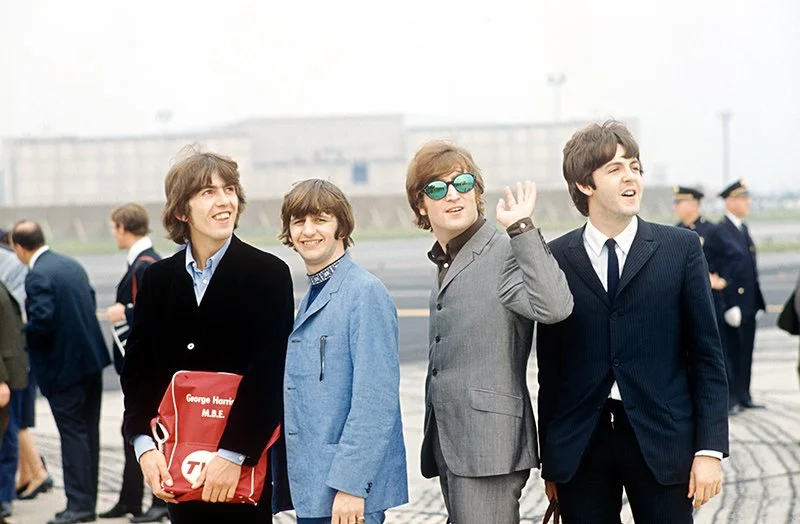
On February 7, 1964, a plane landed at JFK Airport in New York City.
Four young men from Liverpool stepped off the jet bridge and into a wall of noise so loud that the police couldn't hold the crowd back. Four thousand people had been waiting on the tarmac. The airport had to shut down.
Three days later, 73 million Americans watched them perform on The Ed Sullivan Show.
That was roughly 40 percent of the entire country, sitting in front of their televisions on a Sunday night, watching four guys from England play guitars.
They had been a band for about four years.
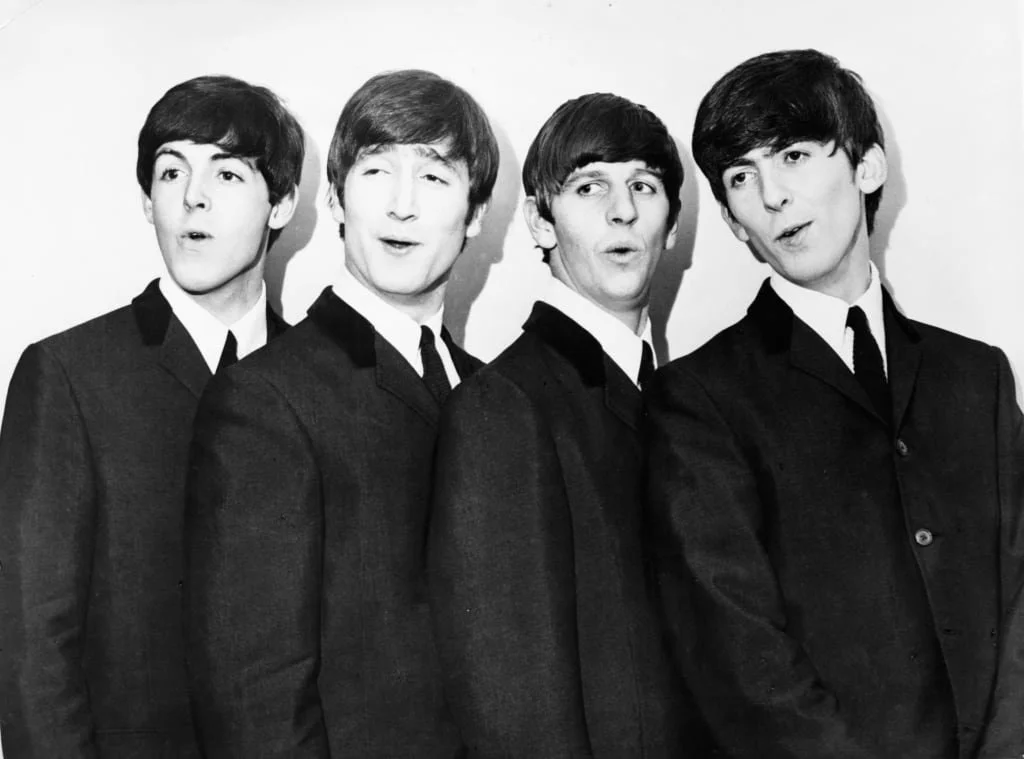
The Beatles didn't invent rock and roll.
Chuck Berry was already doing it. Little Richard was already doing it. Buddy Holly, Elvis, the whole first wave — they came before. The Beatles would have told you that themselves. They were obsessed with American music, especially the Black artists who invented the genre that the mainstream had quietly scrubbed of its origins.
What The Beatles did was something different.
They took everything they'd absorbed — the blues, the rockabilly, the doo-wop, the Tin Pan Alley songwriting — and kept pushing. Keep moving. Keep asking what comes next. Album by album, year by year, they refused to stay the same thing twice.
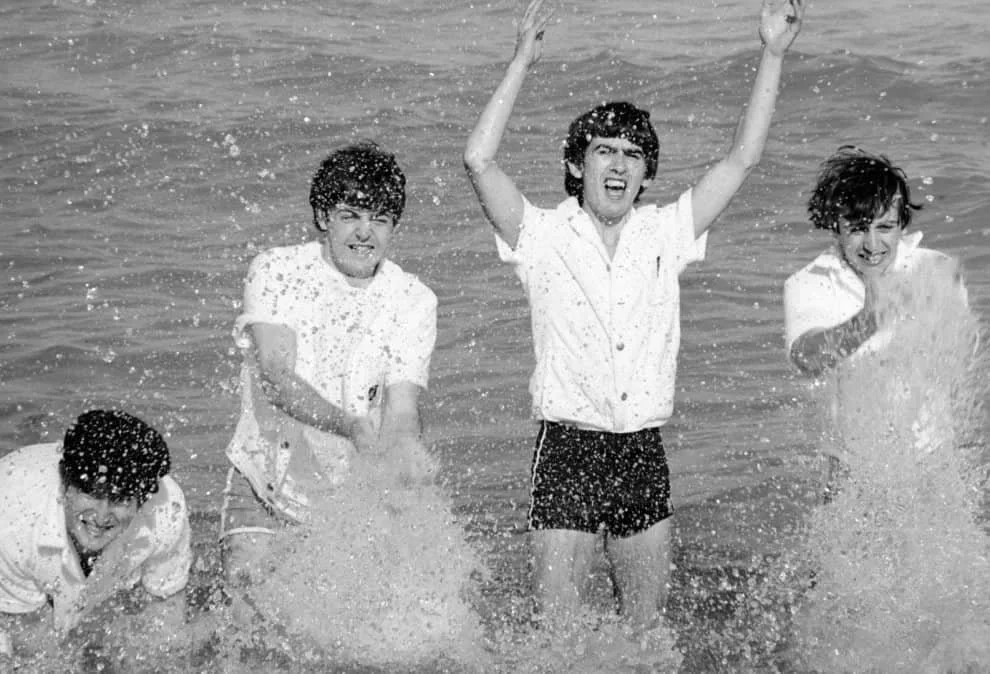
Please Please Me to Rubber Soul to Revolver to Sgt. Pepper's — that's a five-year span. Listen to them back to back. They don't sound like the same band. They barely sound like the same decade.
That restlessness wasn't an accident. It was a philosophy.
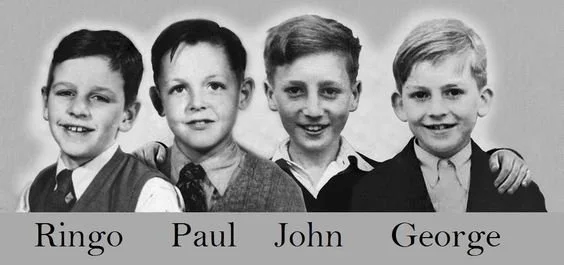
John Lennon and Paul McCartney wrote most of the songs — a partnership that produced some of the most covered music in history and also, eventually, one of the most famous breakups in history. George Harrison pushed them toward Indian classical music and Eastern philosophy at a moment when most pop acts were happy to keep doing what was working. Ringo Starr held it all together with a drumming style so distinctive that musicians still study it.
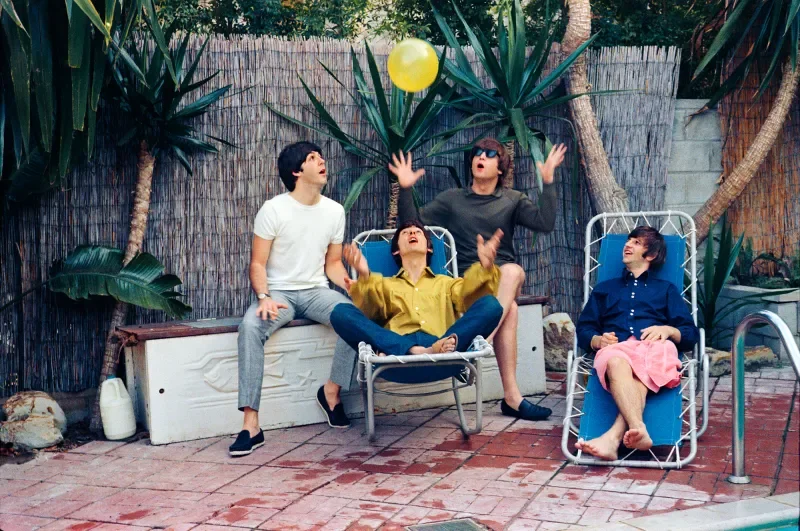
Together they were something none of them were separately.
By the time they stopped touring in 1966 — just three years after JFK — they had already been more famous than most things ever get. They retreated into the studio and somehow got more influential. The White Album. Abbey Road. Let It Be. Records made by a group that was falling apart, making some of the best music they'd ever made on the way out the door.
They officially broke up in 1970.
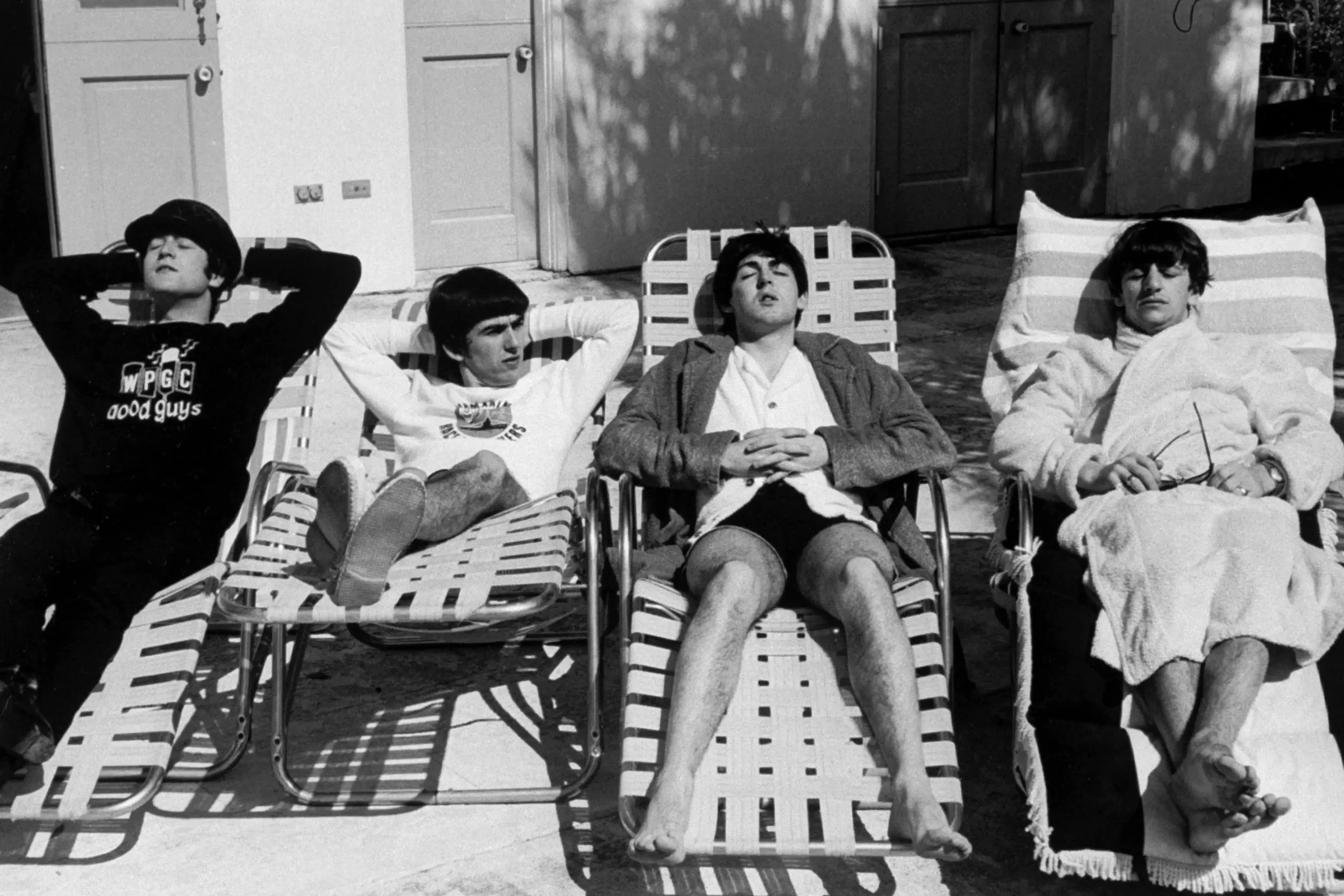
The arguments about why have never really stopped.
What they left behind isn't just a catalog.
It's a proof of concept — that popular music could be art. That a band could grow and change and bring their audience with them. That you could start with teenagers screaming at you in airports and end up making records that musicologists still write dissertations about.
Every band that came after them had to reckon with The Beatles. Some tried to sound like them. Some tried to sound like anything but them. Either way, they were in the room.
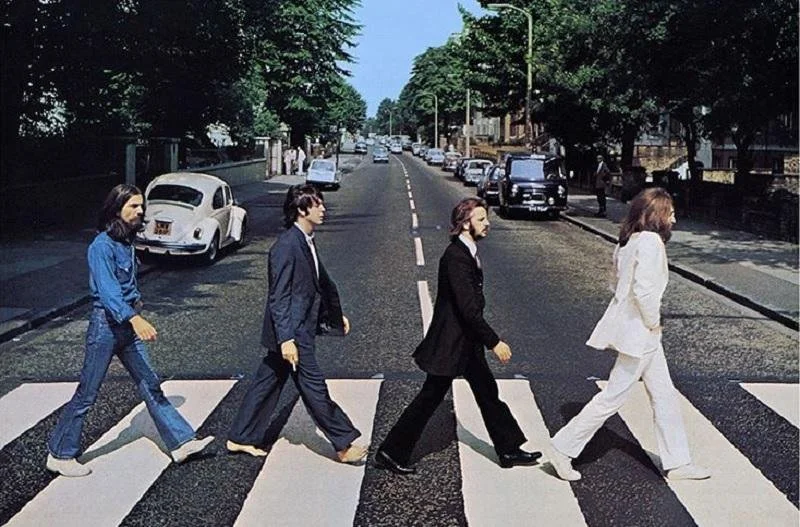
They still are.
The host glances toward the stage.
The lights shift.
The name gets announced.
The Beatles.
The kind of guests who make you wonder what would have happened if they'd stayed the same — and then immediately grateful they didn't.
🎟 What This Is Part Of
Late Nights With… is one piece of a larger project: Influencers Over Time: Artists + Entertainers.
15 local Utah artists. Portraits inspired by TIME Magazine's 100 most influential people of the 20th century. Storytelling, sound, and creative interpretation — all in one space.
📅 May 1–3 📍 West Point, Utah 🎟 Free — reserve your time slot
